Choosing the Right Bike for Commuting
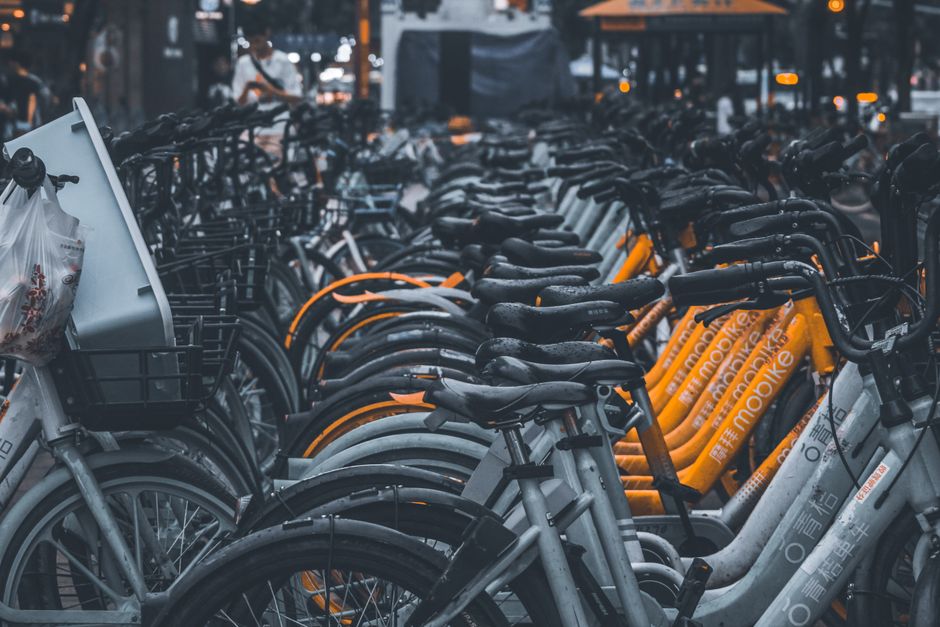
Choosing a commuter bike is a personal decision, but certain features make the job easier and more enjoyable. Whether you're cycling to work, running errands, or simply getting around town, the right bike can save time, money, and stress.
Frame material and weight. Steel frames are durable and absorb vibration well, making them comfortable for daily commuting. Aluminium is lighter and requires less maintenance. Carbon is the lightest but expensive. For commuting, durability matters more than shaving grams off your weight. A slightly heavier bike that lasts years is better value than a light one that requires constant repairs.
Tyre type. Wider tyres with a tread pattern offer better grip and comfort on mixed surfaces. They're less prone to punctures than thin road-bike tyres and handle rain and debris better. Most commuters prefer tyres between 32mm and 50mm wide.
Gearing. You want enough gears to handle hills comfortably without struggling on flats. A wide range is useful if your route is hilly; flat city routes need fewer gears. Make sure the lowest gear is easy enough for any hills on your commute.
Brakes. Disc brakes offer better stopping power in wet weather and require less maintenance than rim brakes. They're worth the investment if you're commuting year-round in Britain, where wet conditions are common.
Geometry and comfort. Commuter bikes typically have a more upright riding position than road bikes, which reduces neck and back strain during longer rides. You should be able to reach the ground easily when stopped, giving you confidence and control.
Mudguards and lights. These aren't glamorous, but they're essential for commuting. Mudguards keep spray off you and your clothes. Integrated lights or mounting points mean you're visible and safe in low light.
Cargo capacity. Consider whether you need to carry a bag, work clothes, or shopping. Racks, baskets, or panniers add practicality. Some bikes have built-in mounting points; others require adapters.
Budget. A decent commuter bike costs £300 to £800. This range gets you a reliable, comfortable bike that will last years with basic maintenance. Avoid the cheapest supermarket bikes; they're heavy, poorly assembled, and frustrating to use daily.
Visit your local co-op to test-ride a few options. Talking with experienced riders about what works for your specific commute is invaluable. The best bike is the one you'll actually use.