Understanding Bike Gears: A Beginner's Guide
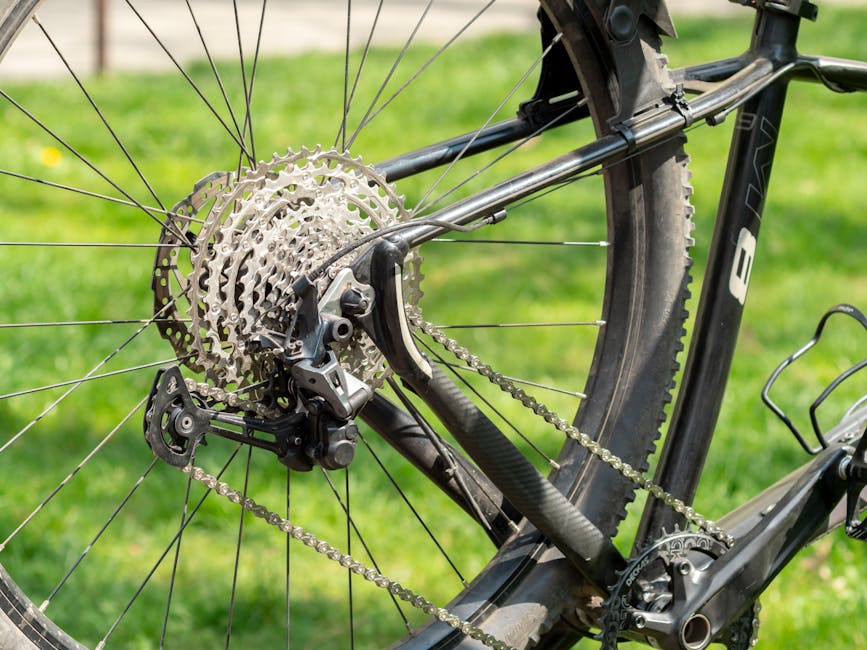
Bike gears can seem confusing at first, but they're actually quite straightforward once you understand what they do. Gears let you adjust how hard or easy it is to pedal, helping you ride efficiently on hills, flat ground, and everything in between.
What do gears actually do? Gears change the ratio between how many times you pedal and how many times the wheel turns. Lower gears make it easier to pedal but move you slower, while higher gears make pedalling harder but cover more distance with each rotation. Think of it like a car: low gears help you accelerate from a standstill, high gears let you cruise at speed.
How are gears numbered? Most bikes have a number of chainrings at the front (usually 1, 2, or 3) and sprockets at the back (often 7 to 11). When people say they have a "21-speed" bike, they're multiplying these numbers. A bike with 3 chainrings and 7 sprockets gives 21 possible combinations, though you won't use all of them regularly.
When should you shift? Shift to an easier gear before hills to keep a steady pedalling rhythm. On flat ground, use a harder gear for efficiency. The key is finding a comfortable cadence, typically around 80 to 100 pedal rotations per minute. If you're struggling to pedal or spinning your legs very fast, it's time to shift.
Left or right shifter? On most bikes, the left shifter controls the front chainrings (bigger jumps between gears) and the right shifter controls the back sprockets (smaller adjustments). Some modern bikes have just one chainring, so you only shift with the right hand.
Common mistakes. Avoid cross-chaining, where you use the smallest chainring with the smallest sprocket or the largest with the largest. This puts odd angles on the chain and causes sluggish shifting. Also, don't shift under heavy load; ease off the pedals slightly when changing gears to let the chain move smoothly.
Keeping gears running smoothly. A clean, well-lubricated chain makes shifting crisp and responsive. Dirty gears and a dry chain cause slow, grinding shifts that are frustrating and wear out components faster.
Once you get comfortable with gears, cycling becomes much more enjoyable. You'll climb hills without exhausting yourself and cruise flats with confidence. Visit your local co-op if you'd like hands-on help learning your bike's gears.